Maybe the most wonderful aspect of the theatrical experience is the fact that it’s one shared amongst a group of strangers. Tens, if not hundreds, of people all crammed in to one theatre to experience something communal; there’s very little that can do that these days, but the cinema is one of them. It’s surprising, really, then, that just twice in my entire 23-year cinemagoing life has one of these strangers approached me after a screening to ask my thoughts on the experience we both just shared: once for the Andrew Garfield and Florence Pugh-starring We Live in Time — I think mostly just because this sweet old lady took note of my tears throughout the film and wanted to see if I was doing alright — and again today, when, after one of those situations where this dude was probably a little too far away for me to be holding the door open for him, but I did anyway, and so he had to hit one of those classic little speed-up walks to ensure I wasn’t waiting too long (god we’re too polite in this country), he then asked if he could hear my thoughts on the movie we both had just seen, Ridley Scott’s The Dog Stars. He did so because he was just so flabbergasted at how unfathomably dull he found the whole thing, that he needed to check in with somebody else to see if they felt the same. Thankfully for this disappointed but nevertheless eccentric man about 30 years my senior, he could rejoice, for this random young fella he had approached felt the exact same way; it really was just that bad.
The Dog Stars is a curious case because, on paper, a Ridley Scott-directed apocalyptic nightmare shot by David Fincher’s trusted cinematographer Erik Messerschmidt and starring one Oscar winner (Allison Janney) and three nominees (Guy Pearce, Josh Brolin, and Jacob Elordi), as well as rising star Margaret Qualley, should be a certified banger. But this latest effort in a laundry list of this bloated subgenre is as dull, forgettable and phoned in as we’ve seen in quite some time. Attempting and achieving nothing that the likes of I Am Legend, The Walking Dead and Fallout haven’t already put to screen.
Late-stage Ridley has been hit or miss to say the least, but this is a new low for the Blade Runner director, whose commitment to continuing to work well into his 80s is admirable, but perhaps ill-advised, as one failure after another has begun to paint the picture that maybe, just maybe, this once world class filmmaker’s fastball isn’t half as quick as it once was.
Though that might not be an entirely fair assessment of the failures of this movie, however, as given that we now have passed 60 years since Ridley’s one and only writing credit on a film — his 27-minute debut, Boy and Bicycle, starring his late, great brother and director of such classics as Top Gun and True Romance, Tony Scott — it’s always been clear that Ridley is only as good as the screenplay he’s given, no matter how hard he tries to outwork it with his technique. And so what happens when a script as hollow as Mark L. Smith’s adaptation of Peter Heller’s novel lands at the doorstep of an aged Ridley whose technical proficiency has been beaten by the passage of time? A bit of a disaster, to be honest, and a film that feels impossible to have been directed by the same man who lit the medium up with his classics.
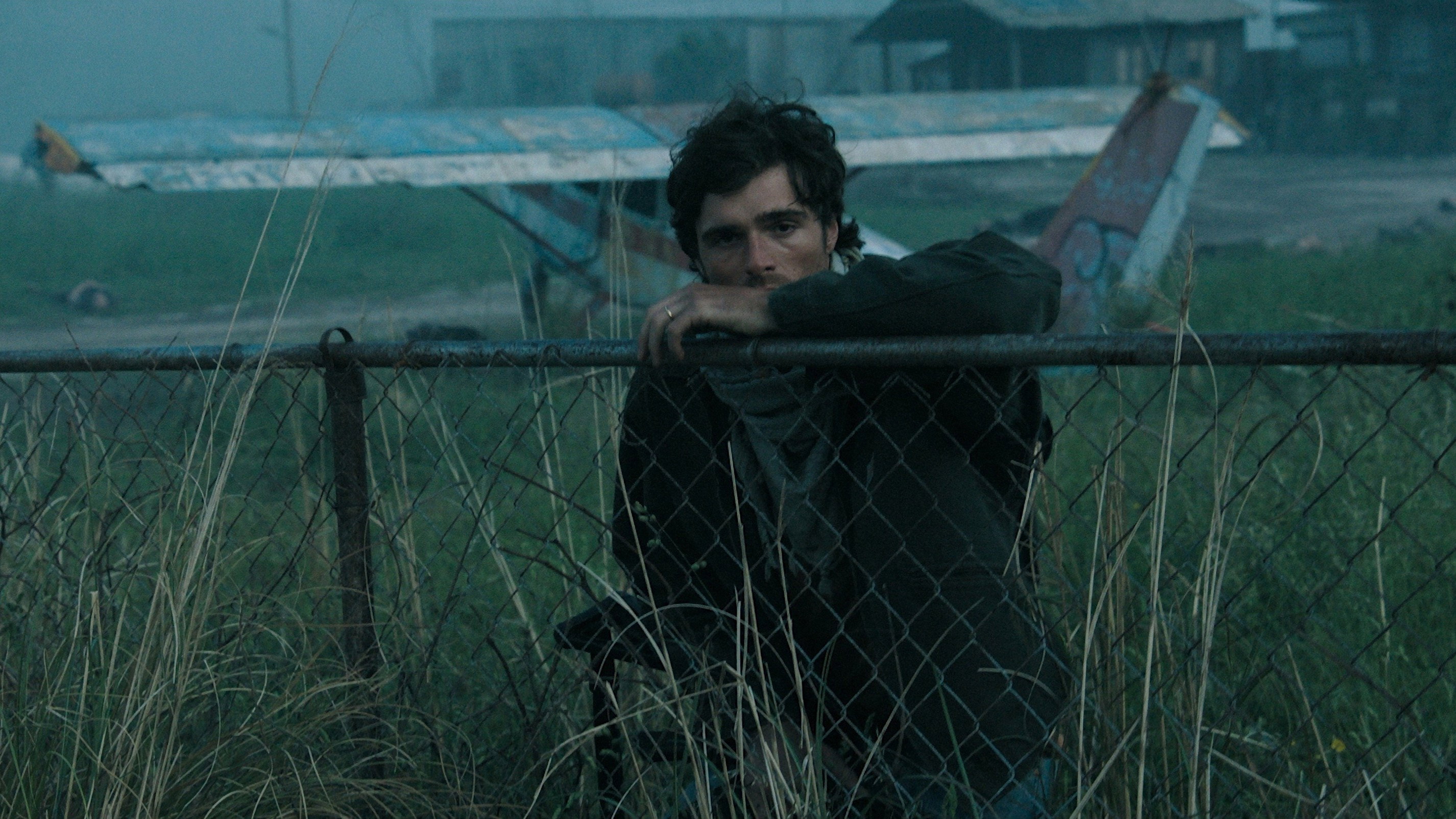
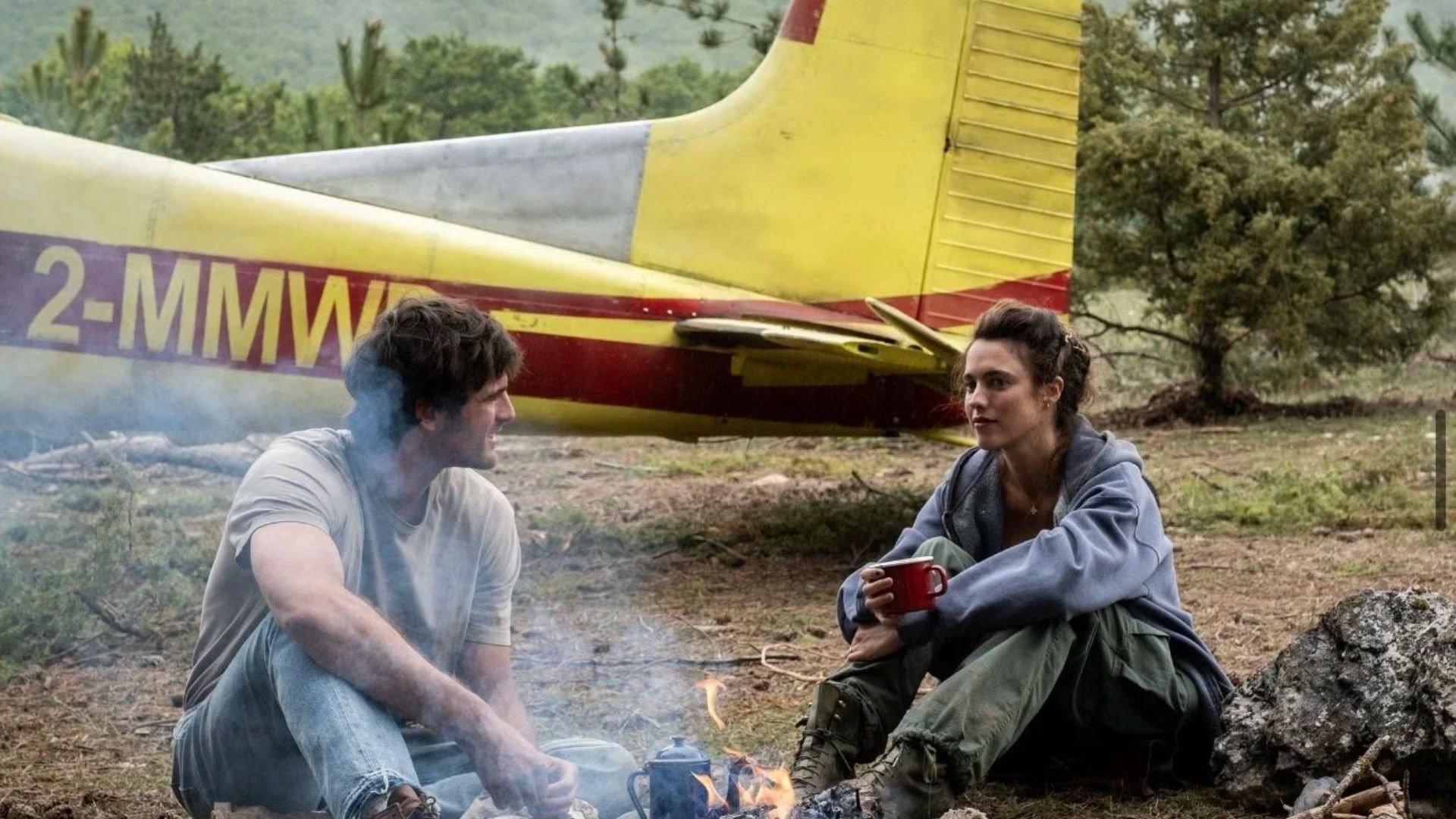
From the expository and hilariously unnatural dialogue to the uninspired and sluggish camera work from Scott and Messerschmidt — who will try to convince you with sweeping, cinematic shots of the Elordi-flown plane riding through rural Italy that they’re doing something interesting; they aren’t, don’t let them fool you — The Dog Stars is a pure slog from start to finish. It sees Hig (Jacob Elordi), an everyday mechanic thrown into a world he wasn’t built for, search for some solace at the end of the world, something larger than the enclosure he finds himself trapped within alongside Bangley (Josh Brolin), a detached, wartime master who values survival ahead of anything else. Hig’s journey sees him make some friends along the way: Cima (Margaret Qualley), and her father, Jack (Guy Pearce). Together, they discover that at the end of the world, there’s a great deal of nothing, which unsurprisingly doesn’t exactly make for a seat-gripping time at the theatre. Quite the opposite, in fact, as if the slow and meandering story with beats so familiar it’s easy to anticipate which turn the film is going to take minutes before they occur wasn’t enough, Elordi’s attempts to out-act the thoughtless script falter in comparison to what he and Qualley’s elders are able to achieve. Brolin, Pearce, and Janney prove their worth with performances that almost mask the screenplay’s faults, whilst Elordi — whose admirable commitment to working with nothing but the best of the best will take him far — is not quite there yet as a performer, nor is Qualley, who struggles to standout; though is not helped by the dated role of the nurturing woman.
Ridley, at this stage of his career, just seems to be more committed to making as many movies as he can than making great ones. And at 88-years-old, you can understand why. Time comes for us all, even those who once seemed invincible, and that same fate has found its way to this cinematic icon. I just wish he’d focus on ending his career with one final classic Ridley bang, instead of the high quantity, low quality whimper his current career trajectory suggests.